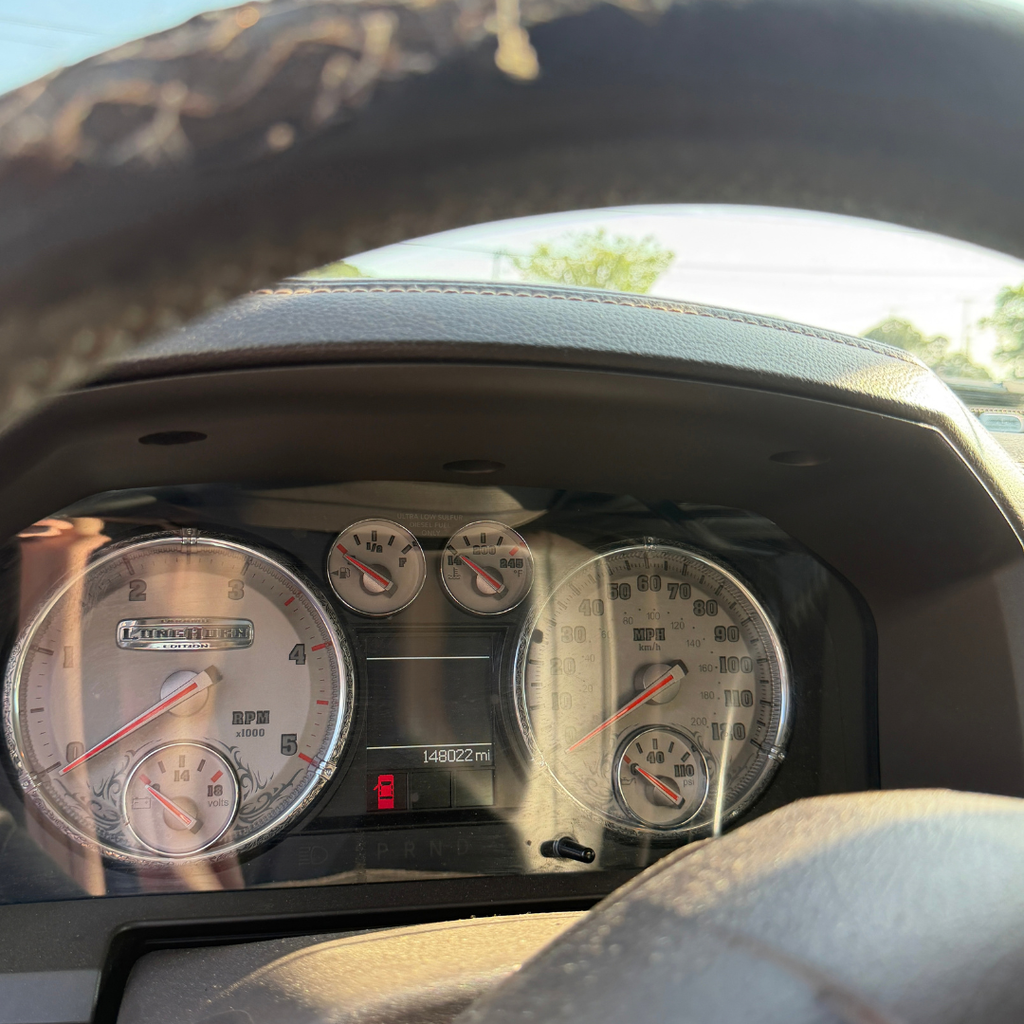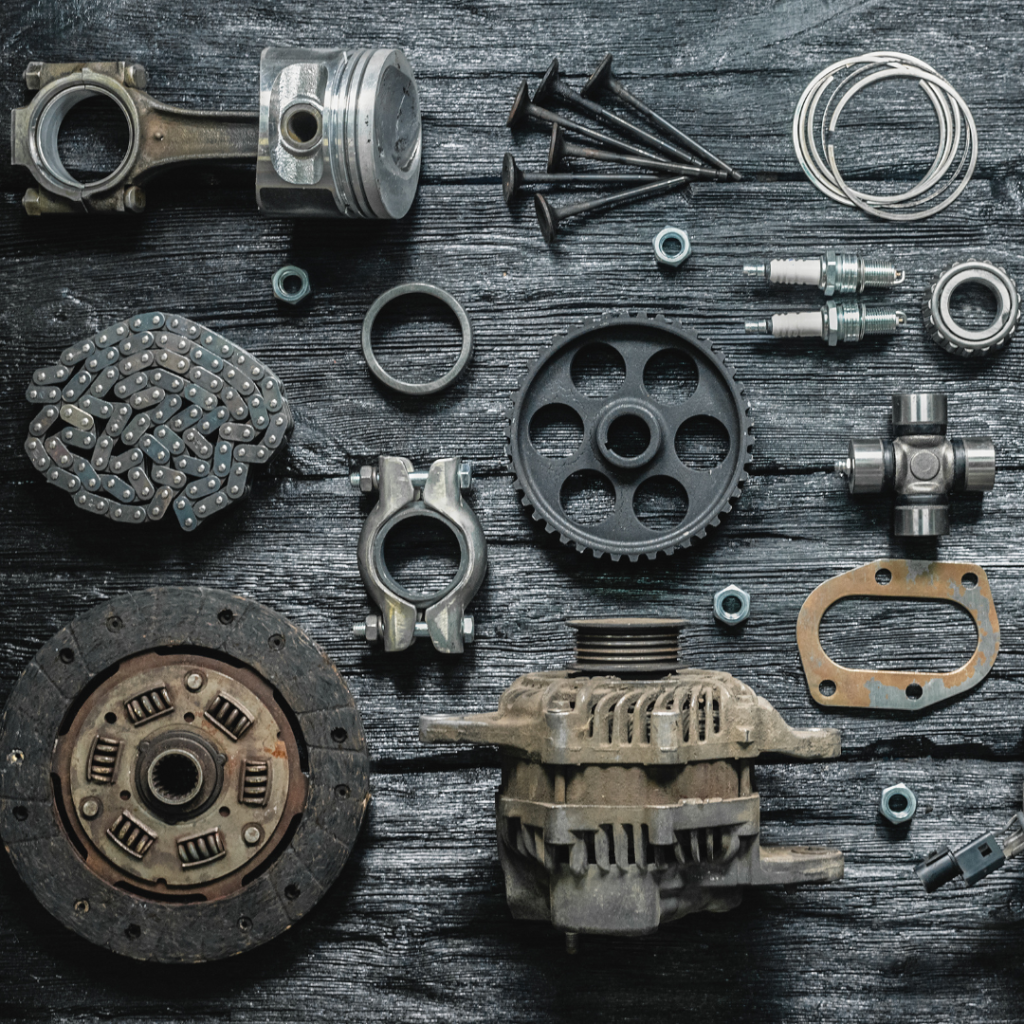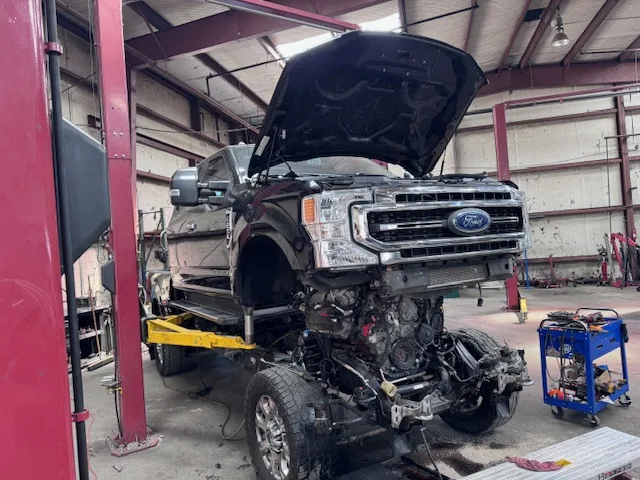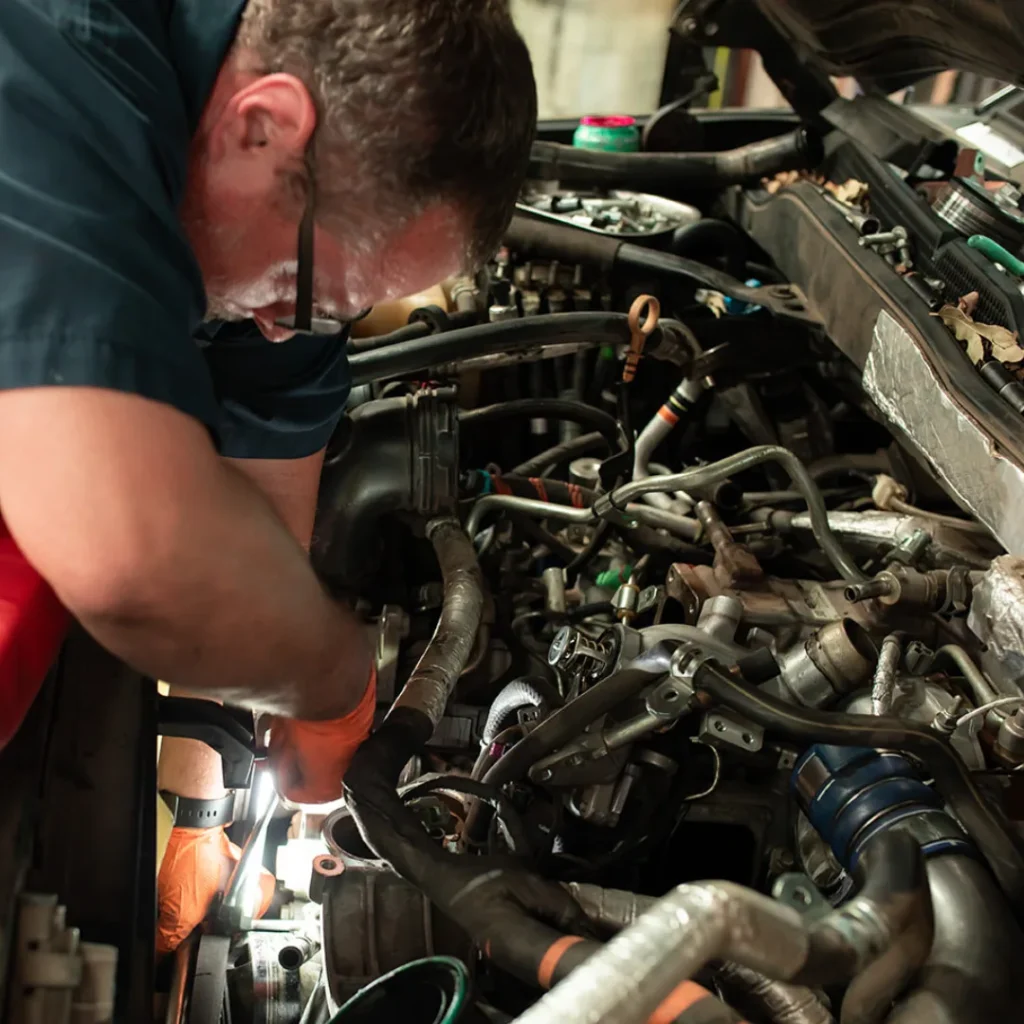
Running a diesel truck isn’t getting any cheaper. According to the American Transportation Research Institute, the industry-average cost to operate a truck hit $2.336 per mile in 2025, the highest figure ATRI has recorded since it began tracking operational costs. Repairs and maintenance are a growing piece of that number, and they only climb as a truck gets older.
For owner-operators and fleet managers alike, that means the trucks already on the road are getting more expensive to keep running unless problems are caught early. Knowing what typically goes wrong as a diesel truck ages, and how to stay ahead of it, can be the difference between a quick fix and a truck sitting in the shop for a week.
The Problem: Age Catches Up With Every Diesel Truck
Every diesel engine wears down the same general way, just on its own timeline. Fuel injectors lose precision and start burning fuel less efficiently. Turbochargers develop play and leaks. Exhaust and emissions systems (EGR valves, DPF filters, sensors) clog or fail, often triggering warning lights that get ignored until the truck derates on the highway. Cooling systems, belts, and hoses harden and crack. Brakes and suspension components wear unevenly under heavy loads.
Individually, none of these seem urgent. Together, they’re the reason a routine diesel engine repair turns into a multi-day breakdown. A driver who ignores a soft coolant hose or a flickering check-engine light isn’t avoiding a repair bill. They’re postponing it and adding a tow, a missed delivery window, and a bigger invoice on top. For fleet managers, that downtime compounds fast: one truck out of service disrupts routes, delivery windows, and driver schedules across the whole operation.
What Typically Breaks at 5, 10, and 20 Years
Every truck wears differently depending on load, route, and climate, but most diesels move through the same general stages.
Around 5 years. This is when the first wave of wear parts starts failing: batteries, alternators, belts, hoses, and water pumps. Fuel injectors begin losing precision, which shows up as a gradual drop in fuel economy. Emissions components like the EGR valve and DPF filter start needing their first real cleaning, especially on trucks that run a lot of stop-and-go or short-haul miles.
Around 10 years. High-mileage wear sets in. Turbochargers often need rebuilding or replacing, and injector replacement becomes a normal line item instead of an outlier. Suspension parts, u-joints, and king pins wear out from years of heavy loads. Cooling systems frequently need a full refresh, radiators included, and trucks in colder climates start showing frame or fuel line corrosion.
Around 20 years. Trucks that have made it this far are usually candidates for a full engine overhaul or repower, since internal components have simply logged too many hours. Wiring harnesses and sensors degrade with age and can cause intermittent electrical gremlins that are harder to diagnose. Cab and frame corrosion can become a structural concern, and many owners shift these trucks into backup or specialty roles rather than daily service, which still means regular shop visits to keep them dependable.
Knowing roughly where a truck sits on this timeline helps owners budget for repairs before they happen, instead of getting blindsided by them.
The Solution: Preventative Diesel Maintenance and Real Diagnostics
The fix isn’t complicated: it’s consistency. Regular inspections at a qualified diesel repair shop catch worn injectors, failing sensors, and weak cooling components before they strand a truck. Modern diesel diagnostics can read fault codes and system performance data that reveal a problem long before it becomes a roadside breakdown, which is why preventative diesel maintenance is treated as a cost-saving strategy, not an optional expense, by most experienced fleet operators.
This matters more, not less, as skilled labor gets harder to find. The U.S. Bureau of Labor Statistics projects diesel service technician employment will grow 4 percent from 2025 to 2035, with aging trucks on the road cited as a key driver of that demand. Fewer available technicians means a trusted shop relationship, not a last-minute scramble to find a “diesel mechanic near me,” is what keeps a truck or fleet moving.
Whether it’s one truck or a full fleet, routine service, honest diagnostics, and heavy-duty truck repair from technicians who know diesel systems inside and out will always cost less than an unplanned breakdown on the interstate.
Take Action Before the Next Breakdown
Aging trucks don’t fail without warning. They give signs first. Schedule regular inspections, address warning lights immediately, and build a maintenance calendar instead of waiting for a problem to find you.
Diesel Pros offers commercial truck service, diagnostics, and fleet maintenance built for owner-operators and fleets who can’t afford downtime. Contact Diesel Pros today to schedule an inspection and keep your truck, or your whole fleet, running reliably for the miles ahead.
Diesel Pros
1347 W Hurst Blvd, Hurst, TX
817-284-7171