Why intermittent electrical faults keep even good technicians guessing
Repair and maintenance costs for heavy-duty trucks rose 8.6% in 2025 to an average of $0.22 per mile, according to the American Transportation Research Institute, as reported by FleetOwner. Electrical problems can be a significant part of those costs. They are some of the hardest issues to pin down, and every hour a truck spends waiting on a diagnosis is an hour it is not hauling freight.
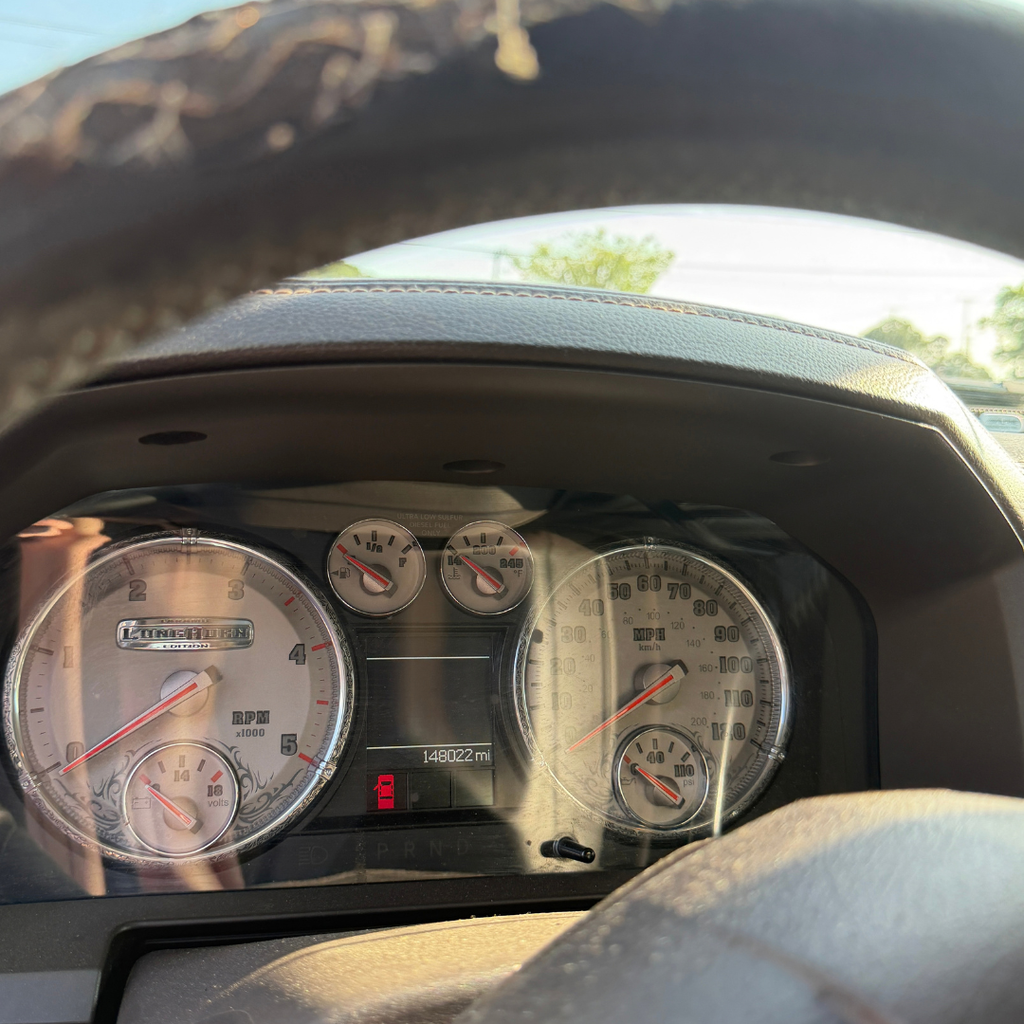
For diesel truck owners and fleet managers, an electrical issue can feel like the most frustrating problem a truck can throw at you. The warning light comes on, then goes off before anyone can look at it. The truck cranks fine sitting in the yard, then stalls out on the highway two hours later. Nothing about it seems to follow a pattern, and that unpredictability is exactly what makes these problems so expensive.
The Case of the Vanishing Fault
Diagnosing an electrical problem is a lot like solving a case where the suspect only shows up when no one is watching. A loose wire might only misbehave after an hour of highway vibration. A corroded ground might only cause trouble in the rain. By the time the truck pulls into the shop and sits still on a lift, the evidence has often disappeared and the truck runs perfectly.
Modern diesel trucks make this even trickier. Today’s trucks run on multiplexed networks, meaning dozens of sensors and control modules constantly send data back and forth over shared communication networks, including the CAN bus. A communication problem somewhere along that chain can trigger a fault code that points the technician toward a problem that is not actually the root cause. A problem that looks like a dead battery might actually be a failing alternator, or a single corroded connector three feet away that no one has thought to check yet.
Add in the industry’s technician shortage, and the mystery gets harder to solve. Fullbay’s 2025 State of Heavy-Duty Repair report found that 54% of shops reported being understaffed, as covered by Heavy Duty Trucking. Chasing an intermittent electrical fault takes patience, experience, and a systematic process that takes time to develop.
How the Right Diesel Shop Cracks the Case
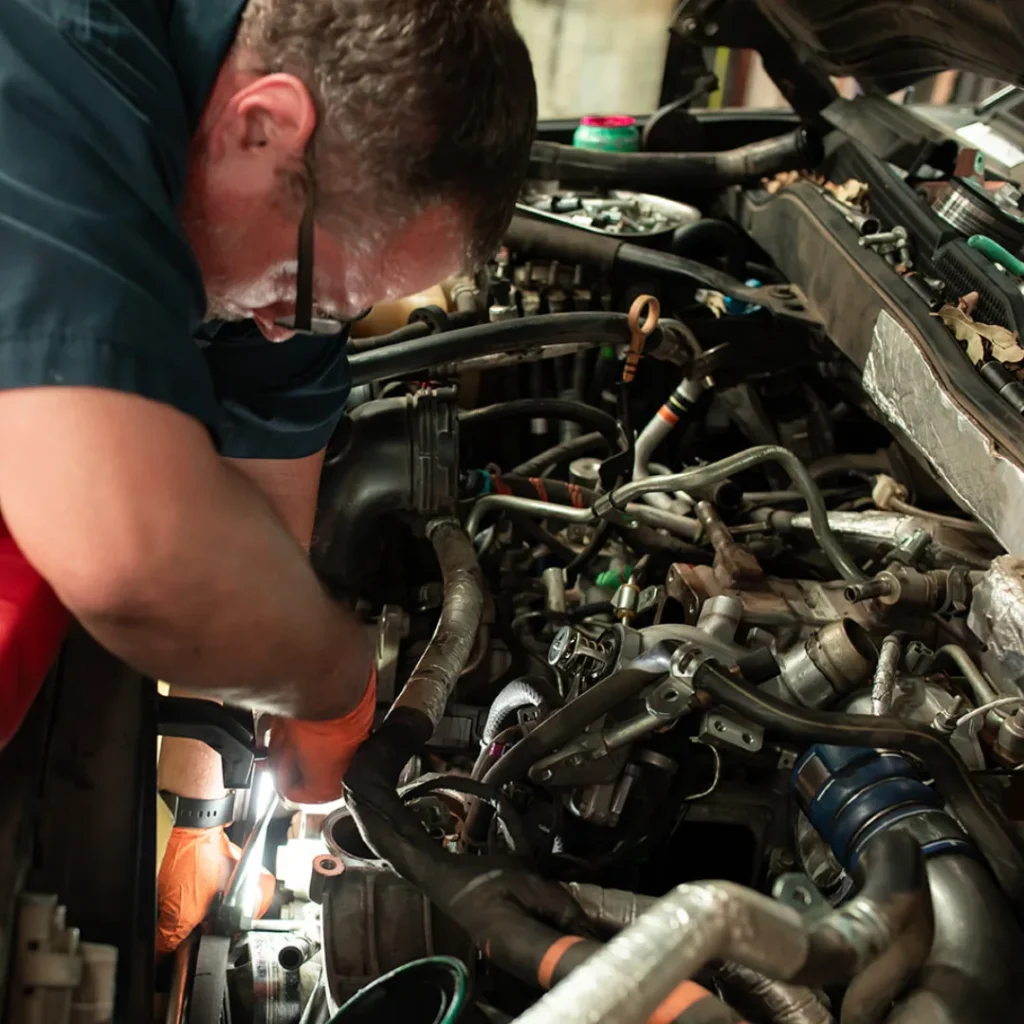
A good detective does not guess. They rule out possibilities one at a time until only the truth is left standing, and diesel electrical diagnostics work the same way. Experienced technicians use tools and methods such as parasitic draw testing, wiring diagrams, and advanced diagnostic equipment to recreate the conditions that trigger the fault, rather than reading one code and swapping a part based on a hunch.
Preventive diesel maintenance plays a bigger role here than most owners realize. Regular inspections can catch corroded battery terminals, damaged wiring harnesses, and loose grounds before they contribute to a breakdown on the interstate. For fleet managers, building this into a routine fleet maintenance schedule costs far less than paying for emergency roadside repairs and the downtime that comes with them.
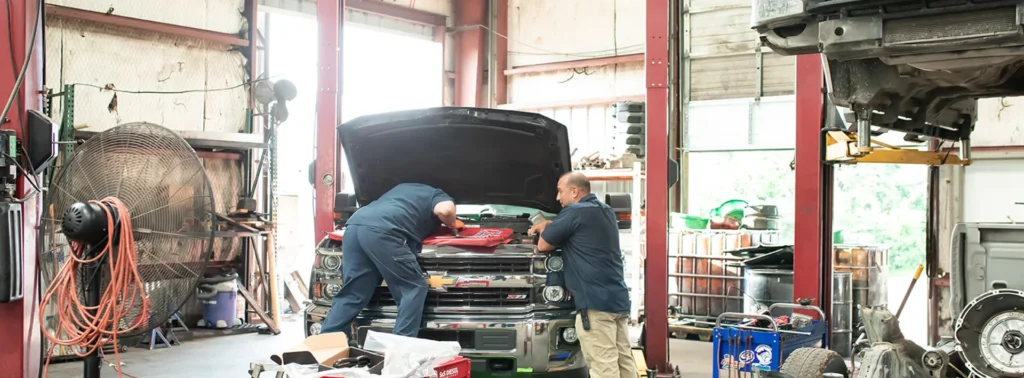
This is exactly why choosing an experienced diesel repair shop matters so much. A shop with strong diagnostic experience treats an electrical problem like a case worth solving properly, not a part worth swapping and hoping for the best.
Conclusion
If your truck has been showing intermittent fault codes, flickering lights, or starting problems that come and go, do not wait for the pattern to get worse. Get it in front of a diesel mechanic near you who has the tools and the patience to trace the fault to its root cause.
Diesel Pros specializes in exactly this kind of diagnostic work. From routine fleet maintenance to complex diesel engine repair, our team approaches every electrical issue with the tools, experience, and attention to detail needed to diagnose it properly the first time. Contact Diesel Pros today to schedule an inspection and keep your trucks reliably on the road.
Diesel Pros
1347 W Hurst Blvd, Hurst, TX
817-284-7171